
Camping is changing. In the past, a family camping trip often meant a tent, a cooler, a campfire, and a few basic supplies. Today, however, families want something more flexible. They still want nature and adventure, but they also want comfort, convenience, safety, and fun. As a result, the future of family camping could look very different from traditional camping.
Technology, sustainability, changing travel habits, and new campground amenities are already influencing the industry. In fact, more than 52 million North American households camped in 2025, according to the 2026 KOA Camping & Outdoor Hospitality Report.
So, what might family camping look like over the next decade? Let’s take a look.
1. Campgrounds Will Become More Family-Friendly
First of all, campgrounds will likely focus even more on families.
Parents want vacations where children can stay active and entertained. At the same time, adults want places where they can relax.
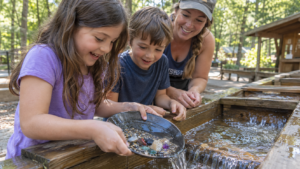
Therefore, future campgrounds may offer more activities for different age groups.
These could include:
- Larger playgrounds
- Family activity areas
- Outdoor games
- Nature programs
- Swimming areas
- Organized family events
- Accessible recreation
Moreover, campgrounds may create activities that bring parents and children together.
This means the future of family camping will likely focus on shared experiences rather than simply providing a place to sleep.
2. Technology Will Become Smarter
Secondly, technology and camping may seem like opposites. However, they can work together.
For example, future campgrounds may use technology to make vacations easier without taking away from the outdoor experience.
Campers could see:
- Mobile check-in
- Digital campground maps
- Online activity schedules
- Smart campsite information
- Weather alerts
- Digital reservations
- Contactless payments
At the same time, families may use apps for hiking, navigation, wildlife identification, and trip planning.
However, technology will not replace the outdoors. Instead, it can make outdoor adventures safer and more convenient.
3. Sustainable Camping Will Become More Important
Next, sustainability will play a bigger role.
As more people spend time outdoors, protecting natural areas becomes increasingly important. Consequently, future campgrounds may invest more in environmentally friendly systems.
For example, they may use:
| Future Feature | Potential Benefit |
| Solar power | Lower energy use |
| LED lighting | Greater energy efficiency |
| Recycling stations | Less waste |
| Water-saving fixtures | Lower water use |
| Native landscaping | Supports local ecosystems |
| Electric vehicle charging | Supports cleaner transportation |
In addition, campers are becoming more interested in sustainable travel. Current industry research shows that many campers value campgrounds with sustainability practices.
Therefore, sustainability could become a standard part of the future of family camping.
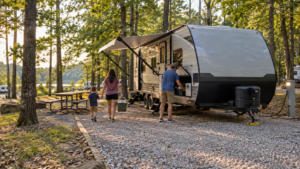
4. RV Camping Will Become More Convenient
Besides, RV travel is also changing.
Modern families often want the freedom of an RV without the stress of complicated setup and maintenance. As a result, convenience will likely become even more important.
For instance, future campgrounds may offer:
- Easier check-in
- Improved hookups
- Better site access
- More spacious RV sites
- Enhanced utility systems
- Easier reservation management
Furthermore, some travelers may choose RV rentals instead of buying an RV.
This can make camping more accessible to families who want to try RV travel without making a major investment.
5. Shorter Camping Trips Will Become More Popular
Furthermore, family vacations do not always need to last a week.
In fact, short camping trips are becoming increasingly attractive. Current market research shows that short stays are already a major part of U.S. camping and caravanning travel.
Therefore, weekend camping could become an even bigger part of the future of family camping.
Families may choose:
- Two-night weekend trips
- Three-day holiday getaways
- School-break camping trips
- Short seasonal escapes
As a result, families can enjoy more outdoor adventures without taking long periods away from work or school.
6. Campgrounds Will Offer More Ways to Stay
Additionally, the traditional tent will always have a place in camping. Nevertheless, families are looking for more choices.
Consequently, future campgrounds may offer a wider range of accommodations.
These could include:
- RV sites
- Cabins
- Glamping tents
- Tiny cabins
- Unique outdoor accommodations
This trend is already visible. Campground research shows growing interest in different accommodation types, including cabins, safari tents, treehouses, and tiny homes.
Therefore, camping could become appealing to families who do not consider themselves traditional campers.
7. Family Camping Will Focus More on Wellness
Another important change will be the connection between camping and wellness.
Modern families often want vacations that help them slow down and recharge.
Fortunately, camping naturally supports this goal.
Families can:
- Spend time outdoors
- Walk through nature
- Enjoy fresh air
- Disconnect from busy routines
- Sleep away from city noise
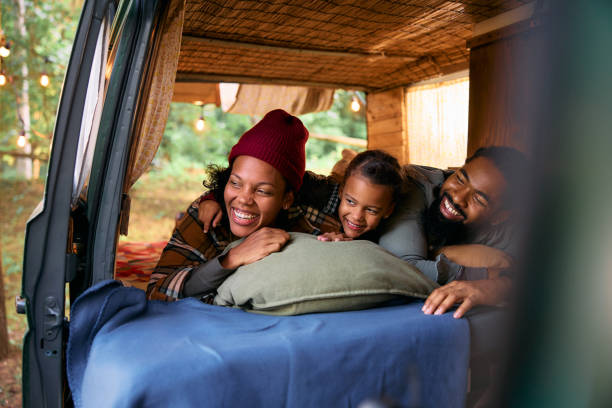
- Spend more time together
Moreover, recent camping research shows that mental restoration and wellness are major reasons people choose camping.
As a result, future campground vacations may focus even more on relaxation and family well-being.
8. Campgrounds Will Become Bases for Local Adventures
Finally, future camping trips may be less about staying at the campsite all day.
Instead, families may use campgrounds as a home base for exploring nearby attractions.
This could include:
- Nature trails
- Parks
- Mountains
- Local events
- Family attractions
- Outdoor adventures
This approach gives families the best of both worlds.
They can relax at the campground and, at the same time, explore the surrounding area.
What Will the Future of Family Camping Look Like?
The future of family camping will probably not mean abandoning traditional camping.
Instead, it will combine the best parts of old and new camping.
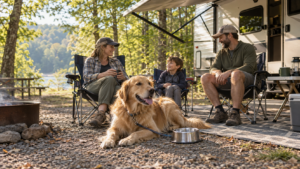
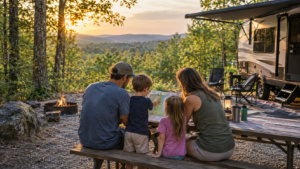
Families will still gather around campfires. Children will still play outdoors. Parents will still enjoy peaceful mornings in nature.
However, these experiences may come with better technology, improved amenities, more accommodation choices, and stronger sustainability practices.
The Future Looks Bright for Family Camping
Ultimately, the future of family camping is about balance.
Families want nature, but they also want comfort. They want technology, but they also want time away from screens. They want adventure, but they also want relaxation.
Fortunately, camping can provide all of these things.
As campground experiences continue to evolve, one thing is unlikely to change: families will always value time spent together.
So, whether you visit Zooland Family Campground today or imagine what camping could look like in 2035, the heart of the experience remains the same.