
When did outdoor family experiences become a priority? Family vacations were usually crowded, crowded attractions and long lines for years. The parents would arrange each hour, purchase tickets for all the children and hope they would have fun.
However, that’s changing.
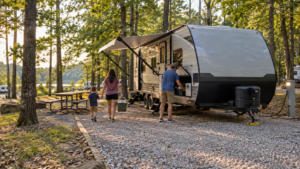
For many families in 2026, the idea of going on an expensive attraction is becoming a thing of the past, and opting for simpler adventures is the more preferred option. Time outdoors is a popular way to spend time with the family without overspending the vacation budget. Whether parents are looking for camping, hiking, a day at the beach or a scenic road trip, they are finding that the fun doesn’t have to be expensive.
In fact, recent family travel research indicates that cost is a big issue. Many parents are now reducing the number of paid attractions and want to make their travel dollars last longer.
So, why is it that outdoor family experiences are capturing the hearts of parents?
Outdoor Family Experiences Cost Less
The primary reason is because money is the most important thing.
One day at a big attraction is enough to cost a family of four hundreds of dollars. So, parking, meals, snacks, souvenirs and additional costs can quickly add up.
Luckily, the cost of outdoor activities is frequently much lower. Therefore, a family can go for a hike on a local trail, take a trip to a public beach, visit a state park, or go for a picnic for a fraction of the cost.
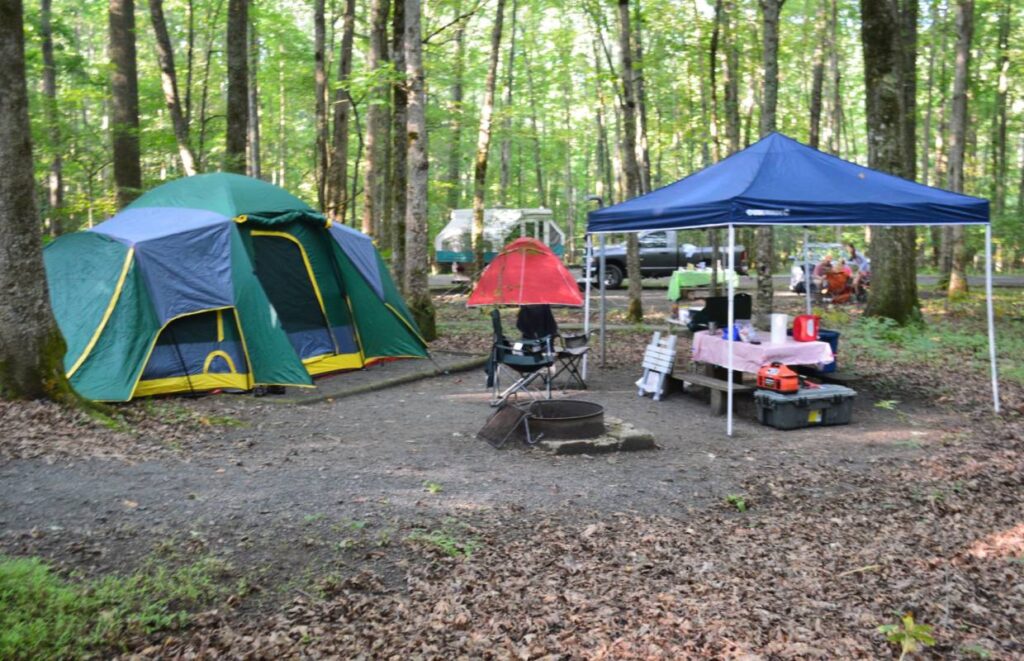
Camping can also be a budget buster. Families can save a lot of money by staying close to nature, and using their money for the parts of the trip that really count.
But not all outdoor adventures are free. Additional costs for campsites, equipment, park entrance, and travel still may accrue. Families typically have a greater influence, however, on those expenses.
A Quick Cost Comparison
| Family Activity | Typical Cost Level | What Families Get |
| Theme park day | High | Rides, shows, attractions |
| Water park | High | Pools, slides, activities |
| Museum or paid attraction | Moderate | Exhibits and activities |
| State or national park | Low to moderate | Trails, scenery, wildlife |
| Beach or lake day | Low | Swimming, games, relaxation |
| Hiking and picnic | Low | Exercise, nature, family time |
| Camping | Low to moderate | Outdoor stay and adventure |
The result? Parents can create several outdoor family experiences for the price of one expensive attraction.
Outdoor Family Experiences Create Real Connection
There’s another reason why parents are altering their plans: they’re not just looking for entertainment, they’re looking for quality time.
Family members can easily get separated in a popular place. One child desires a roller coaster. Another is looking for a show. It’s time for a snack. Someone else is using the bathroom.
All at once, everyone’s doing different things.
But, there is a rhythm to outdoor activities.
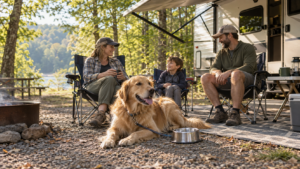
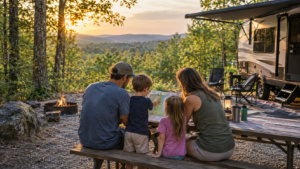
A family hikes a trail together with a common purpose. Parents and children walk together, talk and observe wildlife and support one another. Everyone can contribute to the preparation of dinner, to setting up a tent, or to sitting around a fire.
So, these little moments can be the memories for years to come.
The same urge to join in is also evident in the current trends in travel. Hilton’s research in 2026 revealed that 84% of travellers surveyed were interested in activities where the whole family can play together, and 86% felt that they valued experiences over material gifts.
This means that families don’t always want to do more things! They want to do something together.
Nature Gives Kids Room to Explore
Children do not always need another screen, ride, or structured activity.
Sometimes, they need space.
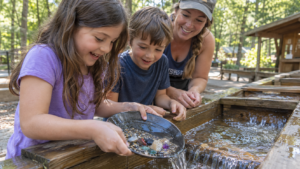
A forest trail gives children room to notice insects, collect interesting leaves, watch birds, or simply run around. A beach gives them sand to dig, waves to chase, and shells to find. Even a backyard camping night can turn an ordinary evening into an adventure.
Outdoor family experiences also encourage curiosity. Kids can ask questions about animals, plants, weather, rocks, and the world around them.
Better yet, parents do not have to turn every moment into a lesson. Children can learn naturally while they play.
Research also suggests that spending time in nature is linked with better wellbeing. A 2024 review found that nature exposure may support children’s mental health and cognitive development, although researchers say more evidence is still needed.
You can learn here how camping helps children build confidence and independence.
Outdoor Adventures Offer a Break From Screens
Sometimes children don’t need something else to do, see, or ride.
At times, they require room.
Children can enjoy a forest walk and observe insects, pick up interesting leaves, watch the birds or just run around. They have sand to dig in, waves to chase, and shells to find on the beach. Just one night in the back yard can make any night an adventure.
Curiosity is fostered through outdoor family experiences as well. Children are able to ask questions about animals, plants, weather, rocks and the world around them.
Fortunately, parents don’t need to make all moments a lesson. Children can learn naturally as they play.
There are also studies that indicate that spending time in nature is associated with improved wellbeing. A 2024 study revealed that exposure to the natural world can be beneficial for children’s mental health and cognitive function, but further research is required.
Outdoor Family Experiences Are More Flexible
High-cost entertainment is typically on a schedule.
At a given time you reach a place. You wait in line, follow a route, and see a television programme at a certain time. When your toddler suddenly requires a nap, well good luck.
Outside activities can be more flexible.
Families can begin a hike when they are all ready. Or take a break to eat snacks. They can adjust plans in the event that the climate changes. They have the opportunity to spend 2 hours in one area before moving on to the next activity.
This is another key family travel trend for 2026. Families are more interested in shorter, slower and more meaningful journeys than in busy schedules.
And parents, you may need the slowdown as well!Parents Are Looking for Better Value
This change doesn’t necessarily mean that you’re giving up attractions. Theme parks, zoos, museums, and other paid events can be great family activities.
It’s just that parents are getting pickier.
Families are looking for real value for their money as travel expenses increase. According to a 2025 family travel survey, 73% of parents said affordability was a big problem with travel and 46% said they reduced paid attractions to save money.
Outdoor activities can be used to fill the gaps.
Families may opt for one high-dollar event and a number of inexpensive ones.
For example:
- Day 1: Visit a major attraction.
- Day 2: Hike and have a picnic.
- Day 3: Explore a local beach or lake.
- Day 4: Go camping or take a scenic drive.
- Day 5: Visit another paid attraction.
This approach gives children variety while keeping spending under control.
How to Plan Better Outdoor Family Experiences
Parents do not need expensive equipment or a complicated itinerary to get started.
Try these simple ideas:
- Choose trails that match your children’s ages and abilities.
- Pack snacks and plenty of water.
- Look for free parks, beaches, and community spaces.
- Plan one outdoor activity instead of filling the entire day.
- Let children help choose the adventure.
- Bring simple games for breaks.
- Check the weather before leaving.
- Keep a backup activity in case conditions change.
- Leave some time for unplanned exploring.
Most importantly, do not overplan.
Part of the appeal of outdoor family experiences is having room for spontaneity.
You can even make last-minute camping trips without the stress!
Ready for Your Next Outdoor Family Experience?
Looking for a fun way to spend more time outdoors with the people you love? Explore ZooLand FC and start planning your next family adventure. Sometimes, the best memories are made with less stuff, fewer screens, and a little more fresh air.