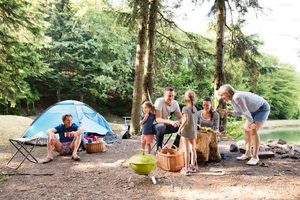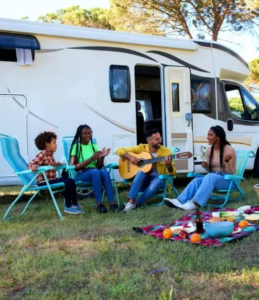

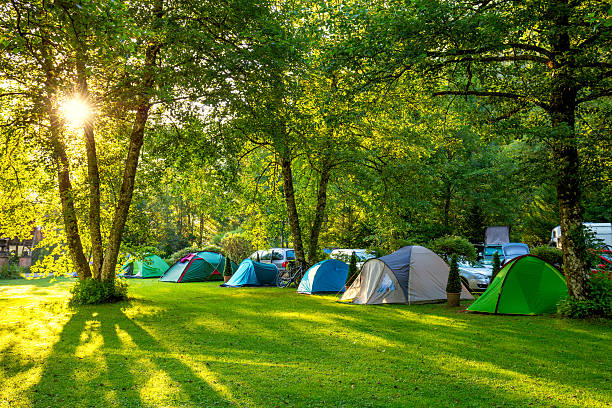
Camping has always been a great way to get closer to nature. However, as more people enjoy the outdoors, protecting those natural spaces has become even more important. As a result, sustainable camping trends are becoming an important part of modern travel. Families, campers, and campground owners are finding new ways to enjoy outdoor adventures while reducing their impact on the environment.
Fortunately, sustainable camping does not have to be difficult. Small changes can make a big difference. Moreover, these habits can help keep forests, parks, mountains, and campgrounds beautiful for future visitors.
So, what could sustainable camping look like in the years ahead? Let’s explore some of the trends that could shape the future of outdoor travel.
What are the Sustainable Camping Trends?
Before looking at future trends, it helps to understand what sustainable camping means.
Simply put, sustainable camping is about enjoying the outdoors while making choices that protect the environment.
For example, sustainable campers may:
- Reduce waste
- Reuse camping supplies
- Conserve water
- Save energy
- Avoid disturbing wildlife
- Stay on marked trails
- Dispose of trash properly
In addition, campers can follow the principles of Leave No Trace, which encourages people to enjoy nature responsibly.
Ultimately, the goal is simple: enjoy nature without damaging it.
1. More Families Will Choose Low-Waste Camping
Firstly, one of the biggest sustainable camping trends is reducing waste.
Traditional camping trips can create a surprising amount of trash. Single-use plates, plastic bottles, food packaging, and disposable items can quickly fill a campsite trash bag.
However, families can reduce their waste with a few simple changes.
Consider bringing:
- Reusable water bottles
- Reusable plates and utensils
- Cloth towels
- Refillable containers
- Reusable shopping bags
What’s more, buying food in larger containers can reduce unnecessary packaging.
As a result, your camping trip can produce less waste without making the experience less enjoyable.
2. Eco-Friendly Camping Gear Will Become More Popular
Secondly, camping equipment is also becoming more environmentally conscious.
In the future, campers may see more products made from recycled, renewable, or responsibly sourced materials.
For instance, eco-friendly gear may include:
- Recycled-fabric tents
- Solar-powered lanterns
- Reusable cookware
- Sustainable sleeping bags
- Rechargeable batteries
Of course, you do not need to replace all your camping equipment at once.
Instead, consider choosing durable products that can be used for many years. In the long run, buying fewer items that last longer can reduce waste and save money.
3. Solar Power Could Change Sustainable Camping Trends
Another exciting trend is the growing use of solar power.
Solar technology allows campers to use energy without relying as much on traditional power sources.
For example, solar panels can help power:
- Small lights
- Phones
- Cameras
- Portable chargers
- Other small devices
Similarly, solar lanterns can provide light after sunset without disposable batteries.
Therefore, solar-powered equipment could become an increasingly common part of sustainable camping trends.
4. Water Conservation Will Become More Important
Moreover, clean water is one of our most valuable natural resources.
Because of this, water conservation is another important part of sustainable camping.
Campers can help by:
- Taking shorter showers
- Turning off taps when not needed
- Using water carefully while cooking
- Carrying reusable water containers
- Following campground water-use rules
Moreover, never dump soaps, chemicals, or other waste into natural water sources.
As camping becomes more popular, responsible water use will become even more important.
5. Campers Will Focus More on Local Adventures
In addition, long-distance travel can require more fuel and resources.
For this reason, local and regional camping trips could become increasingly popular.
Instead of flying across the country, families can explore destinations closer to home.
This approach offers several benefits:
- Less travel time
- Lower transportation costs
- Fewer travel emissions
- More frequent weekend trips
- Greater appreciation for local nature
In fact, Central North Carolina offers plenty of opportunities for families to enjoy nature without traveling extremely far.
Zooland Family Campground is located in Central North Carolina, making it a convenient base for families who want to enjoy outdoor recreation and explore the surrounding area.
6. Campgrounds May Add More Sustainable Amenities
Besides, sustainability is not only the responsibility of campers.
Campgrounds can also play an important role.
As sustainable camping trends continue to develop, more campgrounds may introduce environmentally friendly features such as:
| Sustainable Feature | Potential Benefit |
| Recycling stations | Less waste |
| Solar lighting | Lower energy use |
| Water-saving fixtures | Less water consumption |
| Native plants | Supports local ecosystems |
| Energy-efficient facilities | Reduced energy use |
Furthermore, campgrounds can educate visitors about responsible outdoor recreation.
This creates a shared effort between campground owners and guests.
7. Responsible Wildlife Viewing Will Grow
Furthermore, wildlife is one of the biggest reasons people enjoy camping.
However, getting too close to animals can cause stress or put both people and wildlife at risk.
Therefore, responsible wildlife viewing will remain an important part of sustainable outdoor travel.
Campers should:
- Keep a safe distance from animals
- Never feed wildlife
- Avoid disturbing nests
- Store food securely
- Keep pets under control
- Take photos without approaching animals
Consequently, families can enjoy seeing wildlife while helping protect it.
8. Leave No Trace Will Become a Bigger Part of Camping
Perhaps one of the most important sustainable camping trends is a greater focus on responsible recreation.
The basic idea is simple: leave your campsite and natural surroundings as you found them.
That means:
- Pack out your trash
- Stay on designated trails
- Respect wildlife
- Leave plants and natural objects where they are
- Keep noise under control
- Use established campsites
Above all, remember that the outdoors belongs to everyone.
When each camper does their part, natural areas can remain beautiful for future generations.
Sustainable Camping Trends: The Future!
The future of family camping may look different from the camping trips of the past. Nevertheless, the main goal will remain the same: enjoying nature while protecting it.
From reusable camping supplies and solar power to local adventures and responsible wildlife viewing, sustainable camping trends can make outdoor travel better for both families and the environment.
At Zooland Family Campground, families can enjoy the outdoors, spend quality time together, and explore the natural beauty of Central North Carolina.
So, as you plan your next camping adventure, think beyond the trip itself. Most importantly, consider how your choices today can help protect the places your family will want to visit tomorrow.
After all, the best camping memories are even better when we know we are helping preserve nature for the next generation.